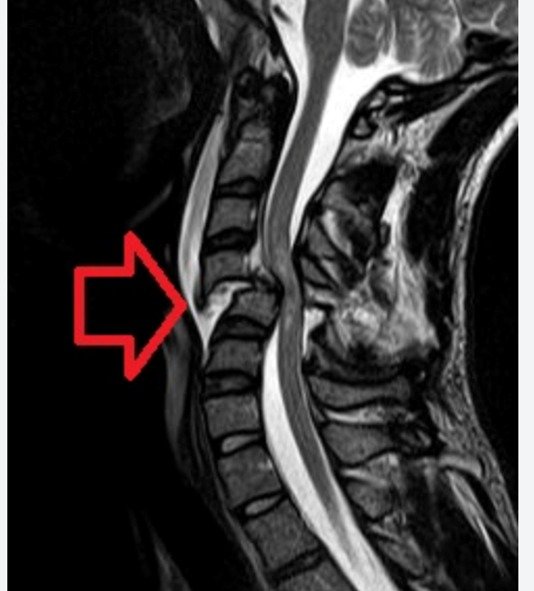
Spinal Cord Injury (SCI) is a serious neurological condition that occurs when the spinal cord is damaged due to trauma or disease, resulting in partial or complete loss of movement, sensation, and bodily control below the level of injury. The spinal cord serves as the primary communication pathway between the brain and the body. When this pathway is disrupted, it can significantly impact mobility, independence, and overall quality of life. The severity of a spinal cord injury depends on the location and extent of damage. Early diagnosis, immediate stabilization, and specialized neurosurgical care play a crucial role in minimizing long-term complications and improving recovery outcomes.
Spinal cord injuries most commonly result from traumatic events such as road traffic accidents, falls from height, sports injuries, or violent incidents. These events can fracture or dislocate the vertebrae, compressing or severing the spinal cord. Non-traumatic causes include spinal tumors, infections, degenerative disc disease, inflammatory conditions, or vascular disorders that gradually damage the spinal cord. In elderly individuals, age-related degeneration of the spine increases vulnerability even after minor falls. Identifying the precise cause of injury is essential to determine the most appropriate treatment plan and prevent further damage.
The symptoms of spinal cord injury vary depending on the level and severity of the injury. Damage to the cervical spine can affect both arms and legs, sometimes resulting in quadriplegia, while injuries to the thoracic or lumbar spine typically affect the lower limbs, leading to paraplegia. Common symptoms include sudden weakness or paralysis, loss of sensation, numbness or tingling, severe neck or back pain, difficulty breathing, and loss of bladder or bowel control. In some cases, symptoms may develop immediately after trauma, while in others they may worsen gradually due to swelling or bleeding around the spinal cord. Any neurological change following an injury requires urgent medical evaluation.
Diagnosis begins with a comprehensive neurological examination to assess motor strength, reflexes, and sensory function. Imaging studies are essential to evaluate the extent of injury. X-rays help identify fractures or dislocations of the vertebrae. Computed Tomography (CT) scans provide detailed images of bone structures, while Magnetic Resonance Imaging (MRI) offers critical insight into spinal cord compression, swelling, bleeding, or soft tissue injury. Accurate and timely diagnosis allows for prompt stabilization and helps prevent secondary damage to the spinal cord.
Emergency management of spinal cord injury focuses on stabilizing the patient and preventing further neurological deterioration. Immobilization of the spine, maintaining adequate oxygenation, and ensuring stable blood pressure are critical in the early phase. Surgical intervention may be required to remove bone fragments, decompress the spinal cord, repair structural damage, or stabilize the spine using instrumentation such as rods and screws. Advanced surgical techniques aim to preserve neurological function and promote optimal recovery.
Rehabilitation is a cornerstone of treatment. A structured program involving physiotherapy, occupational therapy, and specialized rehabilitation techniques helps patients regain strength, improve mobility, and adapt to functional limitations. Each treatment plan is carefully tailored based on the severity and location of the injury.
Long-term care after spinal cord injury involves continuous monitoring and rehabilitation. Preventing complications such as pressure ulcers, respiratory infections, urinary tract infections, muscle stiffness, and blood clots is an essential part of recovery. Assistive devices, mobility aids, and adaptive equipment may be recommended to enhance independence. Emotional and psychological support is equally important, as patients often require guidance in adjusting to lifestyle changes. Regular follow-up visits help track progress and address any emerging concerns promptly.
Spinal cord injuries can lead to chronic pain, spasticity, impaired bladder and bowel control, sexual dysfunction, and respiratory difficulties. Severe injuries may result in permanent paralysis. Secondary complications such as infections or blood clots may also occur if not managed properly. However, early intervention, advanced neurosurgical care, and comprehensive rehabilitation significantly reduce the risk of long-term complications and improve overall outcomes.
Immediate medical attention is necessary after any accident or trauma involving the head, neck, or back, especially if accompanied by weakness, numbness, paralysis, or loss of bladder or bowel control. Sudden severe back or neck pain following an injury should never be ignored. Early evaluation and timely treatment are critical to preserving spinal cord function and preventing permanent neurological damage