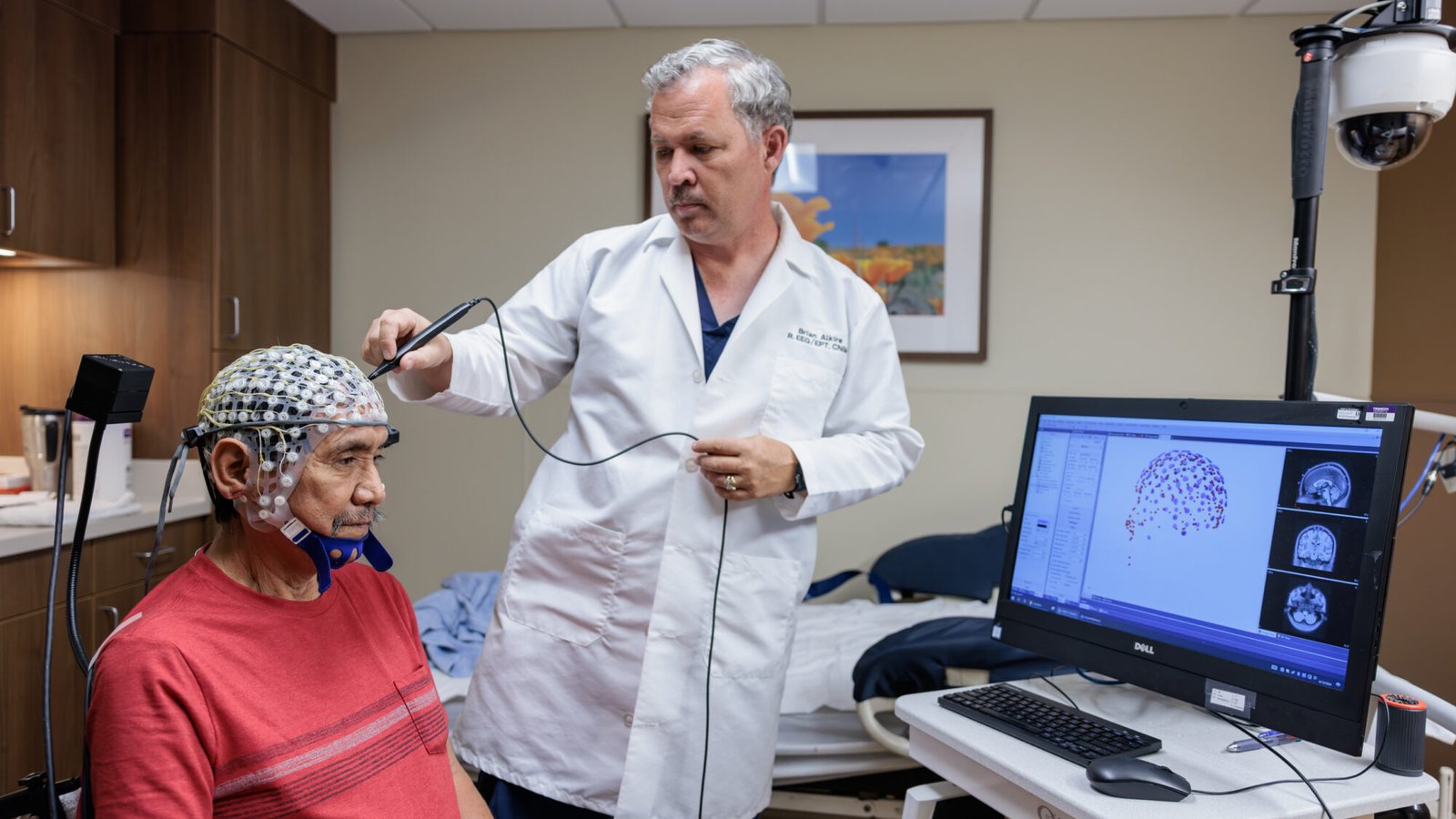
Video Electroencephalography (VEEG) is an advanced diagnostic procedure that combines continuous EEG monitoring with synchronized video recording to evaluate brain activity and patient behavior simultaneously. It is primarily used in patients with suspected epilepsy or unexplained episodes such as seizures, blackouts, or abnormal movements. By capturing both electrical activity in the brain and physical symptoms during an event, VEEG helps doctors accurately identify the nature and origin of neurological disorders, enabling precise diagnosis and treatment planning.
activity. These may include epilepsy, non-epileptic events (such as psychogenic seizures), sleep disorders, or unexplained loss of consciousness. It is particularly useful when routine EEG tests are inconclusive or when seizures are difficult to classify. The procedure helps differentiate between various neurological and non-neurological causes, ensuring that patients receive appropriate care.
Patients who are advised to undergo VEEG often present with symptoms such as repeated seizures, sudden loss of awareness, involuntary movements, staring spells, confusion, or unexplained behavioral changes. Some individuals may also experience episodes during sleep or have symptoms that do not respond well to medication. These signs indicate the need for detailed monitoring to understand the underlying condition accurately.
During VEEG monitoring, patients are admitted to a specialized unit where electrodes are placed on the scalp to record brain activity continuously over an extended period, often ranging from several hours to a few days. Simultaneously, video recording captures physical behavior and clinical events. This synchronized data allows neurologists to correlate electrical changes in the brain with observed symptoms, leading to a more accurate diagnosis. It is considered the gold standard for evaluating complex seizure disorders.
The results of VEEG play a crucial role in guiding treatment decisions. Depending on the findings, treatment may include anti-epileptic medications, lifestyle modifications, or surgical evaluation for drug-resistant epilepsy. In some cases, patients may benefit from advanced therapies such as epilepsy surgery, vagus nerve stimulation, or other neuromodulation techniques. Accurate diagnosis through VEEG ensures that treatment is tailored to the specific condition, improving outcomes.
After diagnosis and initiation of treatment, regular follow-up is essential to monitor progress and adjust therapy as needed. Patients are advised to adhere strictly to prescribed medications, maintain a healthy lifestyle, and avoid known seizure triggers such as sleep deprivation or stress. Ongoing care may include periodic evaluations and counseling to support long-term management and improve quality of life.
VEEG is a safe and non-invasive procedure with minimal risks. However, in some cases, medications may be reduced or stopped temporarily to provoke events for accurate recording, which can increase the likelihood of seizures during monitoring. Patients are closely supervised in a controlled hospital setting to ensure safety at all times. Mild skin irritation from electrodes may occur but is usually temporary.
It is important to consult a specialist if you experience recurrent seizures, unexplained blackouts, sudden behavioral changes, or episodes of altered awareness. Early evaluation with advanced diagnostic tools like VEEG can help identify the underlying cause and prevent complications. Seeking timely medical attention ensures accurate diagnosis and effective treatment, leading to better long-term outcomes.