Functional Magnetic Resonance Imaging (fMRI) is an advanced, non-invasive imaging technique used to measure and map brain activity. It works by detecting changes in blood flow and oxygen levels in different areas of the brain, which reflect neural activity. fMRI is widely used in neurology and neurosurgery to identify critical functional areas of the brain responsible for speech, movement, memory, and other essential functions. It plays a vital role in pre-surgical planning, helping doctors preserve important brain functions while treating neurological conditions.
fMRI is recommended for patients with brain tumors, epilepsy, or other neurological disorders where understanding brain function is essential before treatment. It is particularly useful when surgery is being considered near areas of the brain that control vital functions such as language or motor skills. The test helps determine how these regions are affected and assists in planning safe and effective treatment strategies.
Patients who may require fMRI often present with symptoms such as seizures, difficulty speaking, memory problems, weakness in limbs, or changes in behavior and cognition. These symptoms may indicate involvement of critical brain regions, making it important to evaluate functional activity before any surgical or therapeutic intervention.
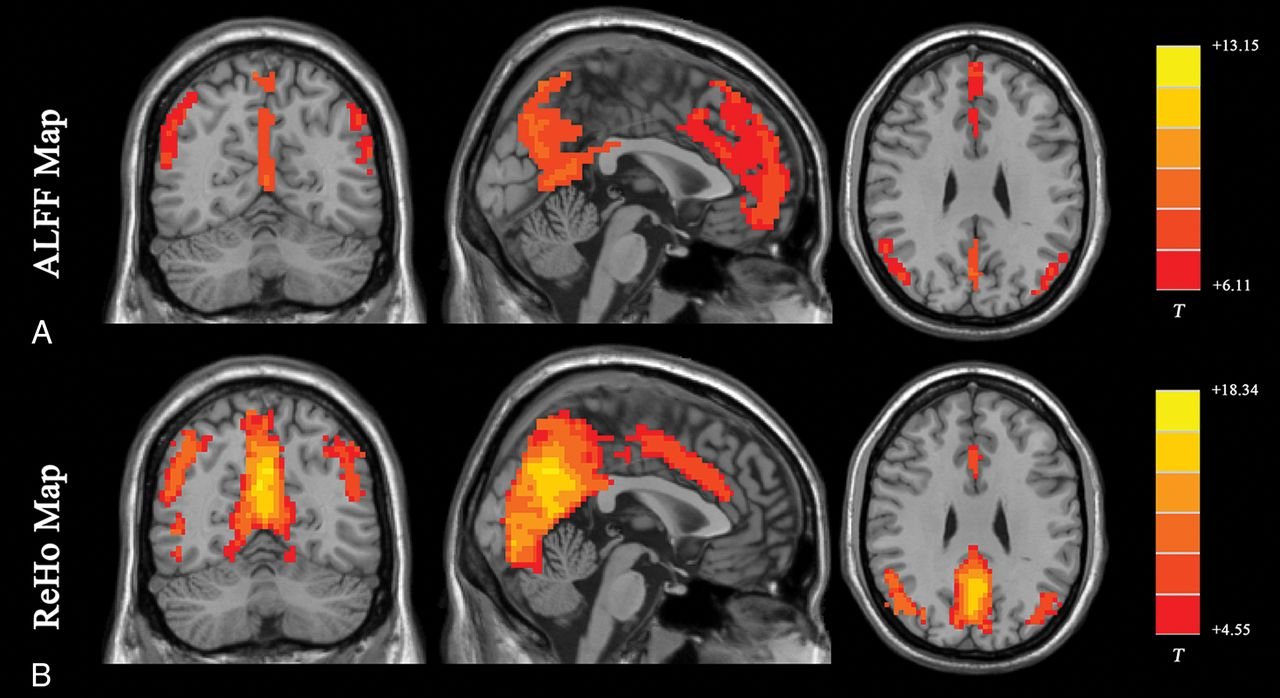
During an fMRI scan, the patient lies inside an MRI machine and performs specific tasks such as speaking, moving a limb, or responding to visual cues. The scanner records changes in blood flow associated with these activities, creating detailed maps of functional brain areas. These maps allow doctors to identify which parts of the brain are responsible for specific functions and how they may be affected by disease.
Although fMRI itself is a diagnostic tool, its findings are crucial in guiding treatment decisions. It helps neurosurgeons plan precise and safer surgeries by avoiding critical functional areas of the brain. In cases of epilepsy, tumors, or vascular abnormalities, fMRI contributes to selecting the most appropriate surgical or non-surgical treatment approach, improving outcomes and reducing risks.
After treatment, patients may require follow-up imaging and neurological assessments to monitor recovery and brain function. Rehabilitation therapies such as speech therapy, physical therapy, or cognitive training may be recommended depending on the condition treated. Regular follow-up ensures that any changes in brain function are addressed promptly.
fMRI is a safe and non-invasive procedure with no exposure to radiation. However, some patients may experience discomfort due to the confined space of the MRI scanner or the need to remain still for an extended period. Patients with certain metal implants or devices may not be suitable candidates for MRI, and proper screening is conducted before the procedure.
You should consult a specialist if you experience persistent neurological symptoms such as seizures, speech difficulties, memory issues, or unexplained weakness. Early evaluation with advanced imaging techniques like fMRI can help in accurate diagnosis and effective treatment planning. Timely medical care plays a crucial role in preserving brain function and improving overall quality of life.