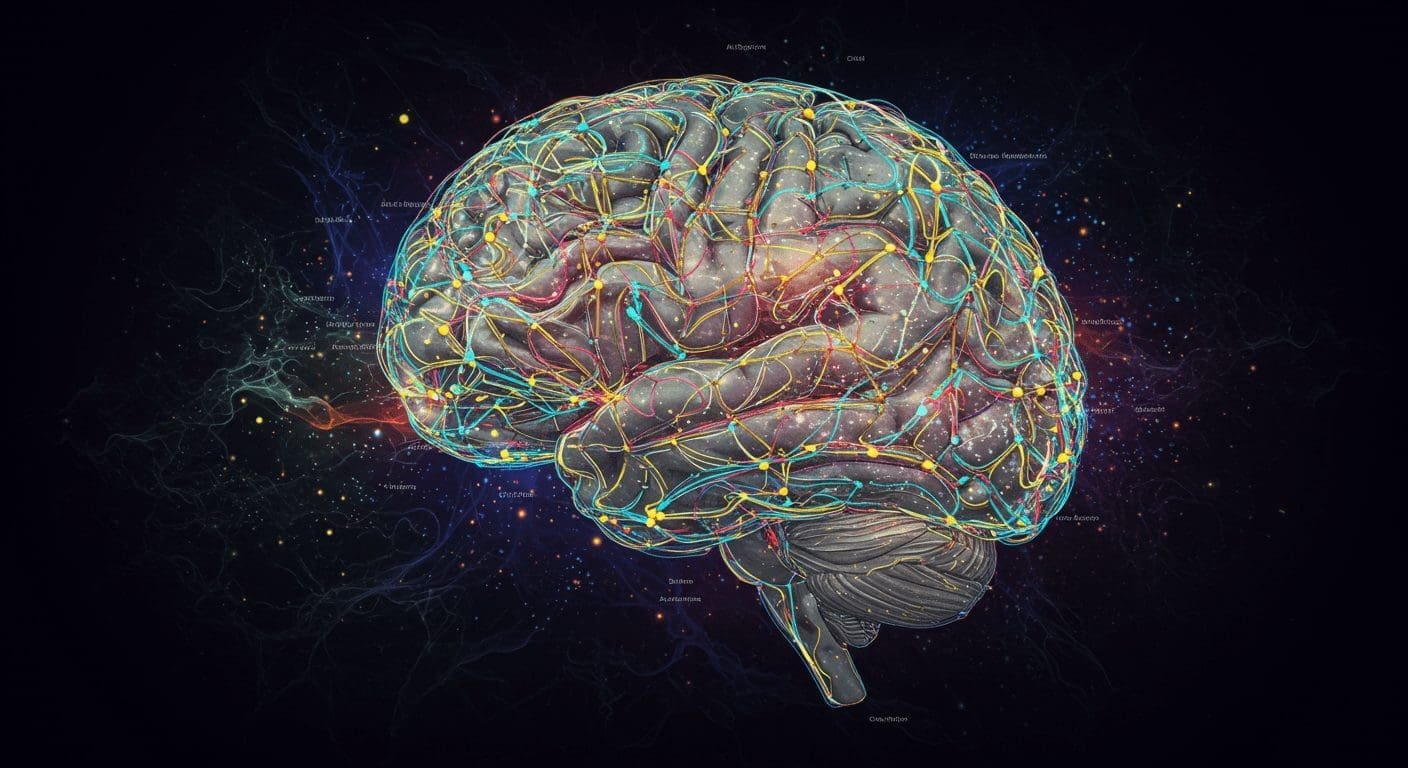
Advanced Brain Connectomics is a cutting-edge neuroimaging approach that maps and analyzes the complex network of connections within the brain, often referred to as the “connectome.” Using advanced MRI techniques and computational analysis, it provides a detailed understanding of how different regions of the brain communicate and function together. In modern neurosurgery, connectomics plays a crucial role in identifying critical neural pathways, allowing for highly precise and personalized treatment planning while preserving essential brain functions.
This advanced evaluation is typically recommended for patients with neurological conditions such as brain tumors, epilepsy, traumatic brain injury, or neurodegenerative disorders. It is particularly valuable when disease affects areas close to important functional networks like language, movement, or cognition. By studying these connections, doctors can better understand how the condition disrupts normal brain communication and plan targeted interventions.
Patients who may benefit from advanced brain connectomics often present with symptoms such as seizures, difficulty speaking, memory impairment, weakness or coordination problems, and changes in behavior or cognition. These symptoms may indicate disruption in brain networks rather than a single localized issue, making connectomic analysis especially useful for comprehensive evaluation.
Advanced Brain Connectomics combines specialized imaging techniques such as diffusion tensor imaging (DTI) and functional MRI with sophisticated data analysis to create a detailed map of brain connectivity. These maps highlight both structural and functional pathways, enabling clinicians to visualize how different brain regions interact. This approach provides deeper insights compared to conventional imaging, particularly in complex neurological cases.
While connectomics itself is a diagnostic and planning tool, its findings significantly influence treatment strategies. It allows neurosurgeons to perform safer, more precise surgeries by avoiding critical neural networks. In conditions like epilepsy or brain tumors, it helps identify optimal targets for surgery or other therapies such as neuromodulation. Personalized treatment plans based on connectomic data improve outcomes and reduce the risk of functional deficits.
After treatment, patients may require ongoing monitoring to assess recovery and brain network function. Rehabilitation programs, including physical therapy, speech therapy, and cognitive training, may be recommended depending on the affected brain areas. Regular follow-up ensures that any changes in neurological function are promptly addressed and managed effectively.
Advanced Brain Connectomics is a non-invasive and safe imaging approach, as it primarily relies on MRI-based techniques. The main considerations are similar to standard MRI procedures, including discomfort from prolonged scanning or limitations for patients with certain implants. There are no direct risks associated with the mapping itself, making it a valuable and patient-friendly tool in neurological care.
You should seek medical consultation if you experience persistent neurological symptoms such as seizures, speech difficulties, memory problems, or unexplained weakness. Early evaluation using advanced diagnostic tools like brain connectomics can help in understanding complex brain conditions and guide effective treatment. Timely intervention plays a vital role in preserving brain function and improving long-term outcomes.