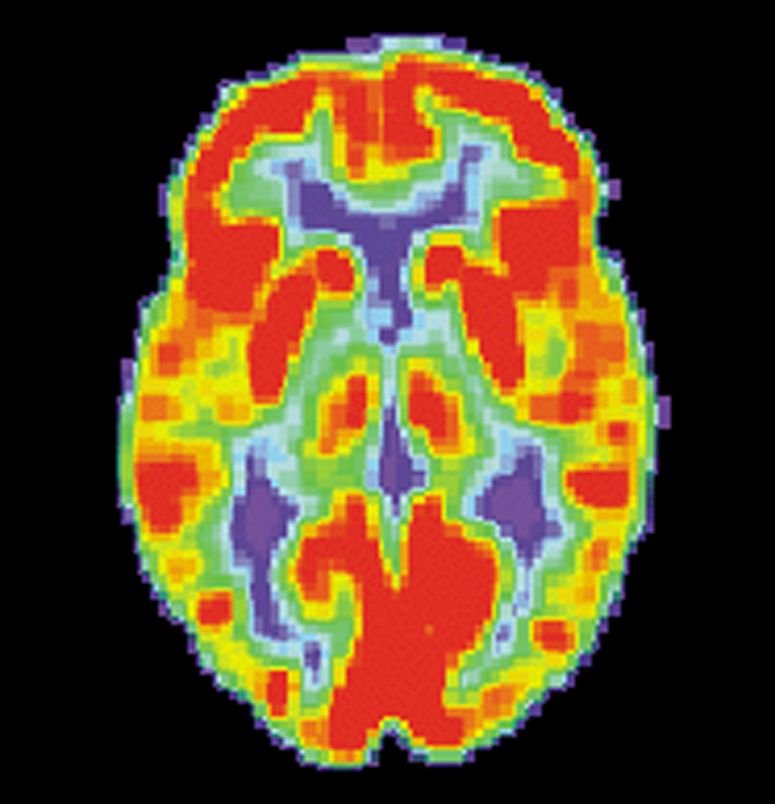
Positron Emission Tomography (PET) Scan is an advanced imaging technique that evaluates the metabolic and functional activity of tissues and organs. Unlike CT or MRI, which primarily show structural details, a PET scan provides insight into how tissues are functioning at a cellular level. In neurosurgical practice, PET imaging is particularly valuable for assessing brain tumors, seizure disorders, and certain degenerative neurological conditions.
Dr. Raghu Samala utilizes PET scanning as part of a comprehensive diagnostic approach when detailed functional imaging is required. By identifying areas of abnormal metabolic activity, PET scans help differentiate between benign and malignant lesions, detect tumor recurrence, and evaluate complex neurological disorders with greater precision.
A PET scan may be recommended for patients with suspected brain tumors, recurrent tumors following surgery, unexplained seizures, or conditions where metabolic brain activity needs evaluation. It is often used in conjunction with MRI or CT scans to provide a more complete understanding of a neurological condition.
In certain cases, PET imaging is helpful in assessing neurodegenerative disorders or distinguishing scar tissue from active tumor tissue after treatment. This added level of detail supports more accurate clinical decision-making.
Patients who undergo PET scanning may present with persistent headaches, seizures, unexplained neurological deficits, cognitive changes, or symptoms suggestive of tumor recurrence. In epilepsy evaluation, PET scans can help identify abnormal brain areas responsible for seizure activity.
When symptoms are complex or when standard imaging does not provide sufficient clarity, PET imaging offers additional functional insight.
During a PET scan, a small amount of radioactive tracer is injected into the bloodstream. This tracer accumulates in tissues with higher metabolic activity. The scanner detects signals emitted by the tracer and creates detailed images showing areas of increased or decreased activity.
The procedure is generally painless and performed under controlled conditions. Patients are required to rest quietly during the uptake period before scanning. Dr. Raghu Samala carefully interprets PET findings alongside MRI or CT results to accurately identify abnormal tissue activity and guide further treatment planning.
While a PET scan is a diagnostic tool, its findings play a critical role in determining the most appropriate treatment strategy. In cases of brain tumors, PET imaging helps assess tumor aggressiveness and guides surgical planning or radiation therapy. For epilepsy, identifying the precise seizure focus may support surgical intervention in selected patients.
When monitoring treatment response, PET scans help determine whether therapy is effective or if adjustments are needed. Dr. Raghu Samala designs individualized treatment plans based on comprehensive imaging evaluation and clinical assessment.
After diagnosis and treatment, follow-up imaging may be recommended to monitor disease progression or recurrence. Patients are advised to maintain regular follow-up appointments and adhere to prescribed therapies. In oncological cases, ongoing surveillance is essential to detect early changes.
Hydration after the procedure helps eliminate the tracer from the body, and patients can typically resume normal activities shortly after the scan.
PET scans involve exposure to a small amount of radioactive tracer, which is considered safe and carefully regulated. Allergic reactions are rare, and the radiation dose is generally within acceptable medical limits. The procedure is performed under strict safety protocols to minimize risk.
The diagnostic benefits of PET imaging in complex neurological conditions typically outweigh the minimal associated risks.
You should consult a neurosurgeon if you experience persistent headaches, seizures, unexplained neurological symptoms, or if there is a need to evaluate tumor recurrence or treatment response. Early and accurate diagnosis plays a crucial role in achieving optimal outcomes.
A PET scan provides valuable functional insight into brain activity and supports precise treatment planning. If advanced neurological imaging is required, consultation with Dr. Raghu Samala ensures expert evaluation and comprehensive neurosurgical care.