Spinal cord stimulation is generally recommended for patients suffering from chronic pain caused by nerve damage or long-standing spinal conditions. One of the most common causes is Failed Back Surgery Syndrome (FBSS), where pain persists even after spinal surgery. Other causes include peripheral neuropathy, sciatica, nerve compression, spinal injuries, and chronic back or leg pain resulting from degenerative spine conditions. In some cases, conditions like complex regional pain syndrome or ischemic limb pain may also benefit from this treatment. These conditions often disrupt normal nerve signaling, leading to persistent pain that significantly affects daily activities and quality of life.
Patients who may benefit from spinal cord stimulation typically experience long-term pain that does not respond adequately to medications or other conservative treatments. Common symptoms include persistent back pain, radiating leg pain, burning or tingling sensations in the limbs, and nerve-related pain that worsens with movement or prolonged activity. Some individuals also report numbness, hypersensitivity, or electric shock-like sensations in affected areas. Chronic pain may interfere with sleep, mobility, work, and overall wellbeing, making effective pain control essential for improving quality of life.
The diagnosis process begins with a detailed medical evaluation and review of the patient’s history, including previous treatments and surgeries. Neurological examinations help assess nerve function and identify areas of pain or weakness. Imaging studies such as MRI or CT scans may be performed to evaluate the structure of the spine and detect underlying causes of nerve compression or spinal abnormalities. In many cases, patients undergo a trial spinal cord stimulation procedure, during which temporary electrodes are placed near the spinal cord. This trial period allows both the patient and the physician to determine whether the therapy significantly reduces pain before proceeding with permanent implantation.
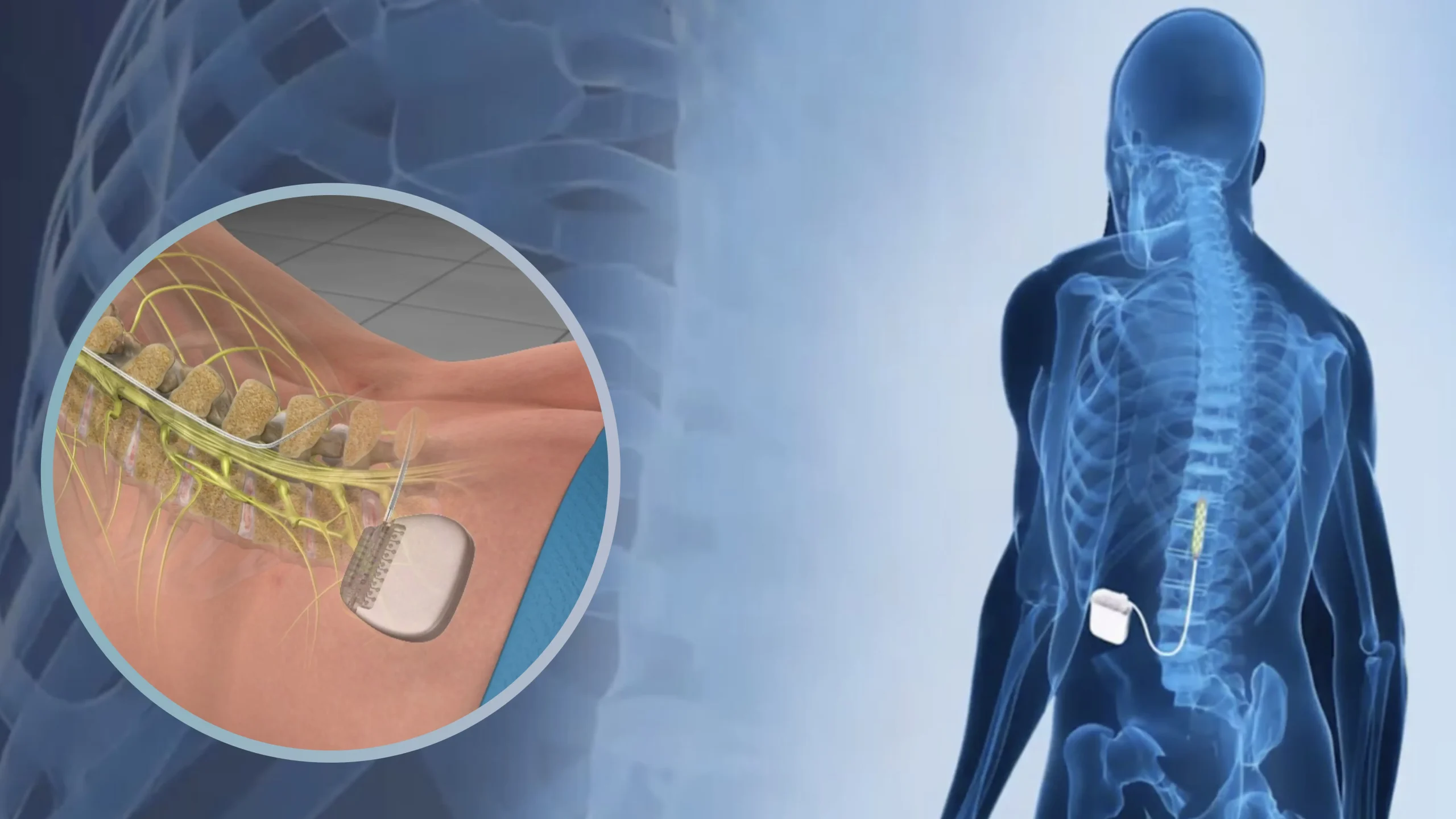
Spinal cord stimulation is typically considered after other treatments such as medications, physical therapy, nerve blocks, or surgical interventions have not provided sufficient relief. During the procedure, thin electrodes are placed in the epidural space near the spinal cord and connected to a small pulse generator implanted under the skin, usually in the lower back or abdomen. The device sends controlled electrical impulses that interfere with pain signals before they reach the brain. Modern systems allow patients to adjust stimulation levels using an external controller to achieve optimal pain relief. The goal of treatment is not only to reduce pain but also to improve mobility, sleep quality, and overall functional ability.
Following the implantation of a spinal cord stimulator, patients are advised to limit strenuous activities for a few weeks to allow proper healing and stabilization of the device. Regular follow-up appointments help ensure the system is functioning correctly and provide opportunities to adjust stimulation settings for maximum benefit. Patients may also continue rehabilitation exercises or physical therapy to strengthen muscles and support spinal health. Proper care of the surgical site and adherence to medical guidance are important for achieving the best long-term results.
Spinal cord stimulation is generally considered safe, but like any medical procedure, it carries some potential risks. Possible complications may include infection at the implant site, bleeding, discomfort around the device, or movement of the electrodes. In rare cases, hardware malfunction or nerve irritation may occur. However, careful surgical technique, proper patient selection, and regular monitoring significantly reduce these risks. Most complications can be managed effectively when detected early.
Patients experiencing persistent back or nerve-related pain that interferes with daily activities should consult a specialist for evaluation. If pain continues despite medications, physical therapy, or previous surgeries, advanced treatments such as spinal cord stimulation may be considered. Early consultation with a qualified neurosurgeon can help determine the underlying cause of chronic pain and identify the most appropriate treatment approach to restore comfort and improve quality of life.