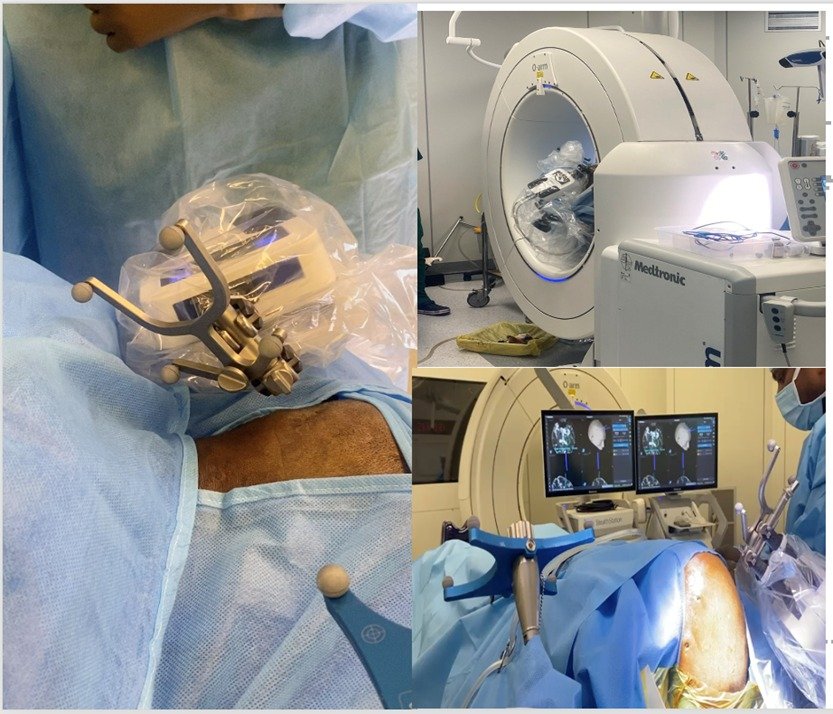
Robotic brain surgery is an advanced neurosurgical technique that uses robotic systems and computer-guided technology to assist surgeons in performing highly precise procedures on the brain. This approach enhances the surgeon’s ability to navigate delicate brain structures with improved accuracy and control. It is especially beneficial in treating complex brain conditions, including tumors, epilepsy, and deep-seated lesions, while minimizing damage to surrounding healthy tissue.
Robotic brain surgery is not a condition itself but a treatment approach used for various neurological disorders. These include brain tumors, vascular abnormalities, movement disorders such as Parkinson’s disease, and certain types of epilepsy. The need for robotic-assisted surgery arises when high precision is required to safely access critical areas of the brain that are difficult to reach using conventional methods.
The symptoms that lead to robotic brain surgery depend on the underlying condition. Patients with brain tumors may experience headaches, seizures, or neurological deficits, while those with movement disorders may have tremors, stiffness, or impaired coordination. In epilepsy, recurrent seizures may be the primary symptom. Robotic assistance helps address these symptoms by enabling accurate surgical intervention.
Diagnosis involves a thorough neurological evaluation along with advanced imaging techniques such as MRI, CT scans, and functional imaging. These tools help identify the exact location and nature of the brain abnormality. The collected data is integrated into robotic systems, allowing surgeons to plan and execute procedures with exceptional precision.
Robotic brain surgery is used as part of a comprehensive treatment plan tailored to the patient’s condition. It can be combined with minimally invasive techniques, stereotactic procedures, and image-guided navigation systems. In some cases, additional treatments such as radiation therapy or medication may be required to achieve optimal outcomes.
After robotic brain surgery, patients are closely monitored to ensure a smooth recovery. Rehabilitation therapies may be recommended depending on the patient’s condition and the area of the brain involved. Follow-up imaging and regular consultations help track recovery progress and detect any recurrence or complications early.
Although robotic brain surgery improves precision and reduces risks, potential complications may still include infection, bleeding, swelling, or temporary or permanent neurological changes. However, the use of advanced technology significantly enhances safety and reduces the likelihood of complications compared to traditional methods.
Patients should consult a neurosurgeon if they experience persistent neurological symptoms such as severe headaches, seizures, movement difficulties, or unexplained changes in behavior or cognition. Early evaluation can help determine whether advanced treatment options like robotic brain surgery are appropriate and improve overall outcomes.