Brain tumor surgery is a specialized neurosurgical procedure performed to remove abnormal growths within the brain. These tumors may be benign (non-cancerous) or malignant (cancerous), but both can affect normal brain function by increasing pressure within the skull or interfering with vital neural structures. The primary goal of surgery is to safely remove as much of the tumor as possible while preserving neurological function, improving symptoms, and enhancing the patient’s quality of life. Advances in microsurgical techniques and imaging have made brain tumor surgery safer and more effective than ever before.
Brain tumors can develop due to abnormal and uncontrolled cell growth within the brain. The exact cause is often unknown, but certain genetic factors, exposure to radiation, and inherited conditions may increase the risk. Tumors can originate in the brain itself (primary tumors) or spread from other parts of the body (secondary or metastatic tumors). Understanding the origin and type of tumor is essential for determining the most appropriate treatment approach.
Symptoms of a brain tumor can vary depending on its size, type, and location within the brain. Common signs include persistent headaches, seizures, nausea, vomiting, and changes in vision or speech. Patients may also experience weakness in the limbs, difficulty with balance or coordination, memory problems, or personality changes. These symptoms often develop gradually but can worsen over time as the tumor grows and increases pressure on surrounding brain tissue.
Accurate diagnosis is crucial for effective treatment planning. A detailed neurological examination is usually followed by advanced imaging studies such as MRI or CT scans, which help identify the tumor’s size, location, and characteristics. In some cases, a biopsy may be performed to determine the exact type of tumor. These diagnostic tools enable the neurosurgeon to design a precise and individualized treatment plan for each patient.
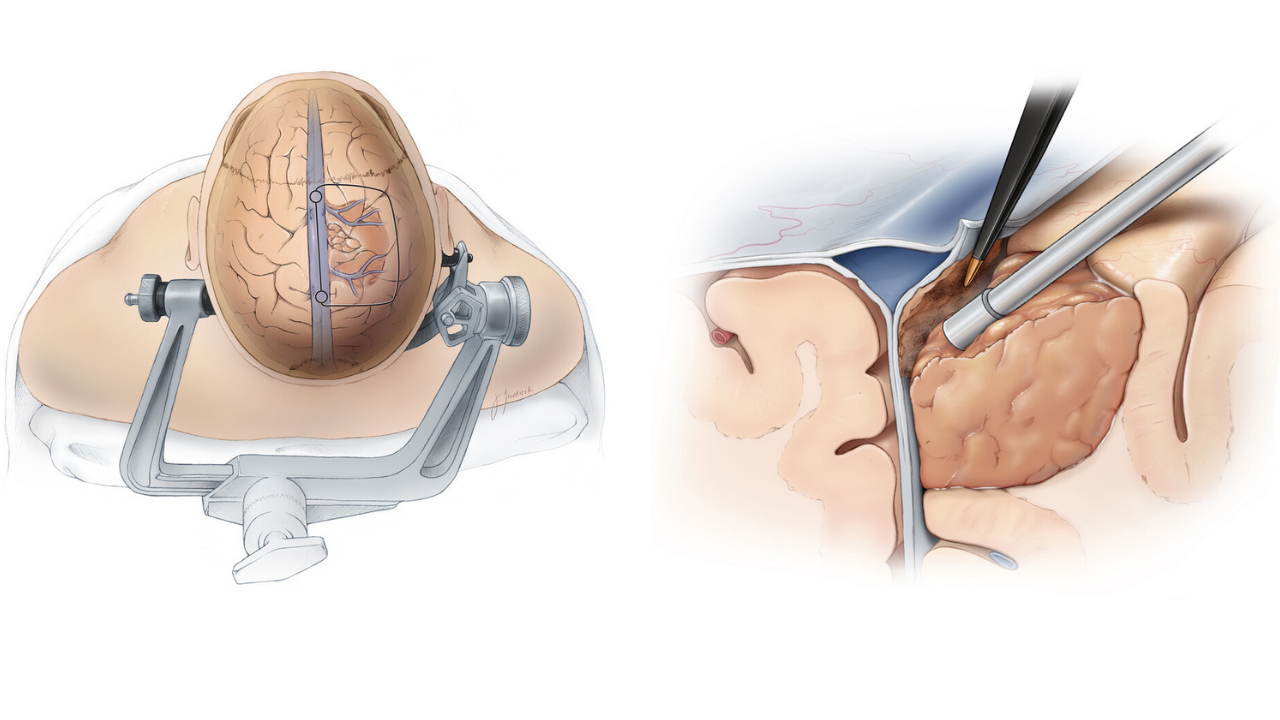
Brain tumor surgery is often the primary treatment, especially when the tumor is accessible and causing significant symptoms. The goal is to remove the tumor completely or as much as safely possible. In addition to surgery, other treatments such as radiation therapy, chemotherapy, or targeted therapy may be recommended depending on the tumor type and stage. Modern techniques like image-guided surgery, minimally invasive approaches, and intraoperative monitoring help improve surgical precision and patient outcomes.
Recovery after brain tumor surgery requires careful monitoring and supportive care. Patients may need rehabilitation, including physiotherapy, speech therapy, or occupational therapy, to regain lost functions. Regular follow-up visits and imaging studies are important to monitor for recurrence and ensure proper healing. Medications may be prescribed to control pain, prevent seizures, and reduce swelling in the brain.
As with any major surgery, brain tumor surgery carries certain risks. These may include infection, bleeding, swelling in the brain, or neurological deficits such as weakness, speech difficulties, or changes in sensation. The likelihood of complications depends on the tumor’s location and complexity. However, with experienced surgical care and advanced techniques, these risks are minimized, and patient safety remains the top priority.
It is important to seek medical attention if you experience persistent headaches, unexplained seizures, sudden changes in vision, difficulty in speaking, or weakness in any part of the body. Early evaluation and timely diagnosis can significantly improve treatment outcomes. Consulting a qualified neurosurgeon at the earliest signs of concern ensures appropriate care and the best possible recovery.